
Technological Advances in Diagnostic Services: Shaping the Future of Healthcare
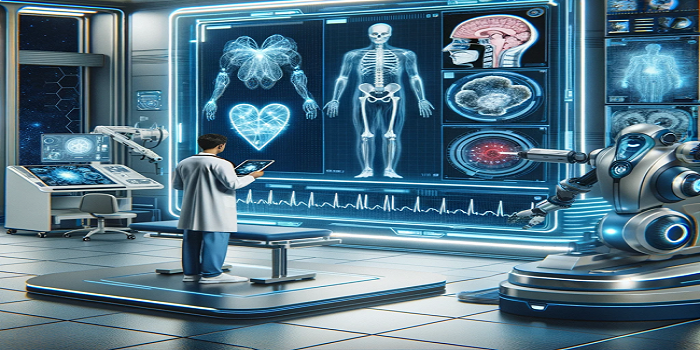
Introduction In recent years, the healthcare sector has witnessed a technological revolution, particularly in the realm of diagnostic services. These advances are not just enhancing the accuracy and efficiency of diagnoses but are also opening doors to new possibilities in patient care and treatment. This article explores some of the most significant technological advancements in diagnostic services and their impact on healthcare. Artificial Intelligence and Machine Learning One of the most groundbreaking developments in diagnostics is the integration of Artificial Intelligence (AI) and Machine Learning (ML). AI algorithms are increasingly being used to analyze complex medical data, from imaging scans to genetic information, providing faster and more accurate diagnoses than ever before. For instance, AI-powered tools are now capable of detecting anomalies in X-rays and MRIs with a level of precision that rivals human experts. Wearable Health Technology Wearable technology has transcended the realm of fitness tracking. Today, devices like smartwatches and fitness bands are equipped with sensors that can monitor vital signs such as heart rate, blood oxygen levels, and even electrocardiogram (ECG) readings. This continuous monitoring enables early detection of potential health issues, often before the patient is even aware of them. 3D Printing in Diagnostic Tools 3D printing technology is revolutionizing the production of customized diagnostic tools and medical devices. From personalized hearing aids to dental implants, 3D printing allows for rapid prototyping and production, tailored to the specific needs of individual patients.
The Role of Diagnostic Services in Patient Care
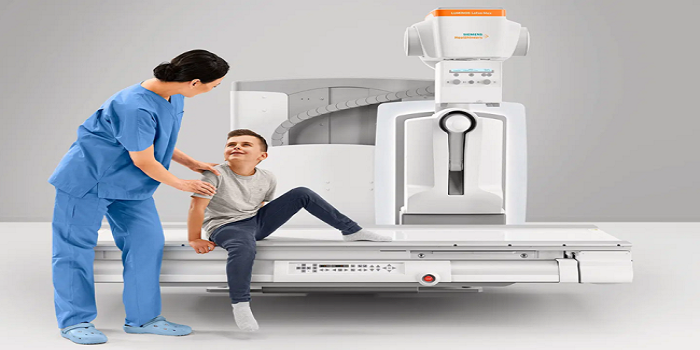
Introduction to Section 2 Diagnostic services form the backbone of effective healthcare, offering crucial insights that guide patient treatment and care. In this section, we delve into the multifaceted role of these services, illuminating their impact on early detection, treatment decisions, disease monitoring, and the advent of personalized medicine. Image: A healthcare professional in a lab coat, holding a patient’s report, symbolizing the connection between diagnostics and patient care. Early Detection and Diagnosis Early detection of diseases can be a lifesaver, and diagnostic services play a pivotal role in this process. Regular screenings and tests like mammograms, colonoscopies, and blood glucose tests are essential tools in catching diseases in their nascent stages. For instance, catching cancer early can significantly improve treatment outcomes and survival rates. Image: A medical professional conducting an ultrasound or an MRI scan, highlighting the process of early detection. Guiding Treatment Decisions Once a diagnosis is established, the next crucial step is deciding on the best course of treatment. Here, diagnostics are indispensable. Blood tests, for example, can reveal critical information about infections, allowing doctors to choose the most effective antibiotics. Similarly, genetic tests can inform oncologists about the most effective chemotherapy regimen for a particular type of cancer. Image: A team of doctors discussing over a patient’s diagnostic reports, with a computer screen showing scan results. Monitoring Disease Progression For chronic conditions like diabetes or heart disease, ongoing monitoring through diagnostic services is vital. Regular blood tests, blood pressure monitoring, and other assessments provide a dynamic view of the patient’s health, allowing for timely adjustments in treatment. This continuous monitoring is crucial in preventing complications and managing long-term health. Image: A graph or chart displayed on a monitor, showing the progression of a patient’s health condition over time. Personalized Medicine The future of healthcare is personalized medicine, and diagnostic services are at its forefront. Advanced diagnostics, including genetic testing and biomarkers, are now paving the way for treatments tailored to the individual’s genetic makeup. This approach promises more effective treatments with fewer side effects, revolutionizing how we approach various diseases. Image: A high-tech lab setting with a focus on genetic testing equipment. Conclusion to Section 2 In summary, diagnostic services are not just tools for identifying diseases; they are integral in shaping a patient-centric approach to healthcare. By enabling early detection, guiding treatment decisions, monitoring disease progression, and paving the way for personalized medicine, diagnostics play a crucial role in modern healthcare systems.
Understanding Skin Diseases: Causes, Symptoms, and Treatment Options
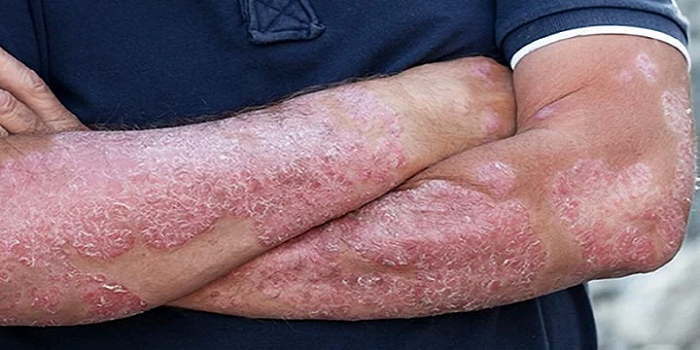
Introduction: Our skin is the largest organ of the human body, serving as a protective barrier against external threats. However, like any other organ, the skin is susceptible to various diseases that can impact its health and appearance. In this blog post, we will explore some common skin diseases, their causes, symptoms, and available treatment options. Acne Acne is a widespread skin condition that affects people of all ages. It occurs when hair follicles are clogged with oil and dead skin cells, leading to the formation of pimples, blackheads, and whiteheads. Hormonal changes, genetics, and certain medications can contribute to acne development. Symptoms: Red, swollen bumps on the skin, blackheads, whiteheads. Treatment: Topical creams, oral medications, and lifestyle modifications. Eczema Eczema, or atopic dermatitis, is a chronic skin condition characterized by red, itchy, and inflamed skin. It often appears in childhood and may persist into adulthood. Factors such as genetics, environmental triggers, and a compromised immune system can contribute to the development of eczema. Symptoms: Itchy, dry, red, and inflamed skin. Treatment: Moisturizers, topical steroids, antihistamines, and lifestyle changes. Psoriasis Psoriasis is an autoimmune disease that causes the rapid buildup of skin cells, leading to the formation of thick, scaly patches. It is a chronic condition with periods of flare-ups and remission. Genetic factors, immune system dysfunction, and environmental triggers can contribute to psoriasis. Symptoms: Red, raised patches of skin with silvery scales. Treatment: Topical treatments, phototherapy, systemic medications. Rosacea Rosacea is a chronic skin condition that primarily affects the face, causing redness, visible blood vessels, and pimple-like bumps. The exact cause of rosacea is unknown, but factors such as genetics, immune system response, and environmental triggers can play a role. Symptoms: Facial redness, swollen red bumps, visible blood vessels. Treatment: Topical medications, oral antibiotics, laser therapy. Skin cancer occurs when skin cells are damaged by the sun’s ultraviolet (UV) rays, leading to uncontrolled cell growth. The most common types of skin cancer are basal cell carcinoma, squamous cell carcinoma, and melanoma. Sun exposure, genetics, and a weakened immune system can increase the risk of skin cancer. Skin Cancer Symptoms: Changes in moles, new growths, changes in skin texture. Treatment: Surgery, radiation therapy, chemotherapy. Conclusion Understanding the causes, symptoms, and treatment options for various skin diseases is crucial for maintaining skin health. While some skin conditions are genetic and cannot be prevented, adopting a healthy lifestyle, protecting the skin from excessive sun exposure, and seeking prompt medical attention for any concerning symptoms can contribute to overall skin well-being. If you are experiencing persistent skin issues, consult with a dermatologist for a personalized diagnosis and treatment plan. Remember, taking care of your skin is an essential part of maintaining your overall health and well-being.